Sanding

What is Sanding?
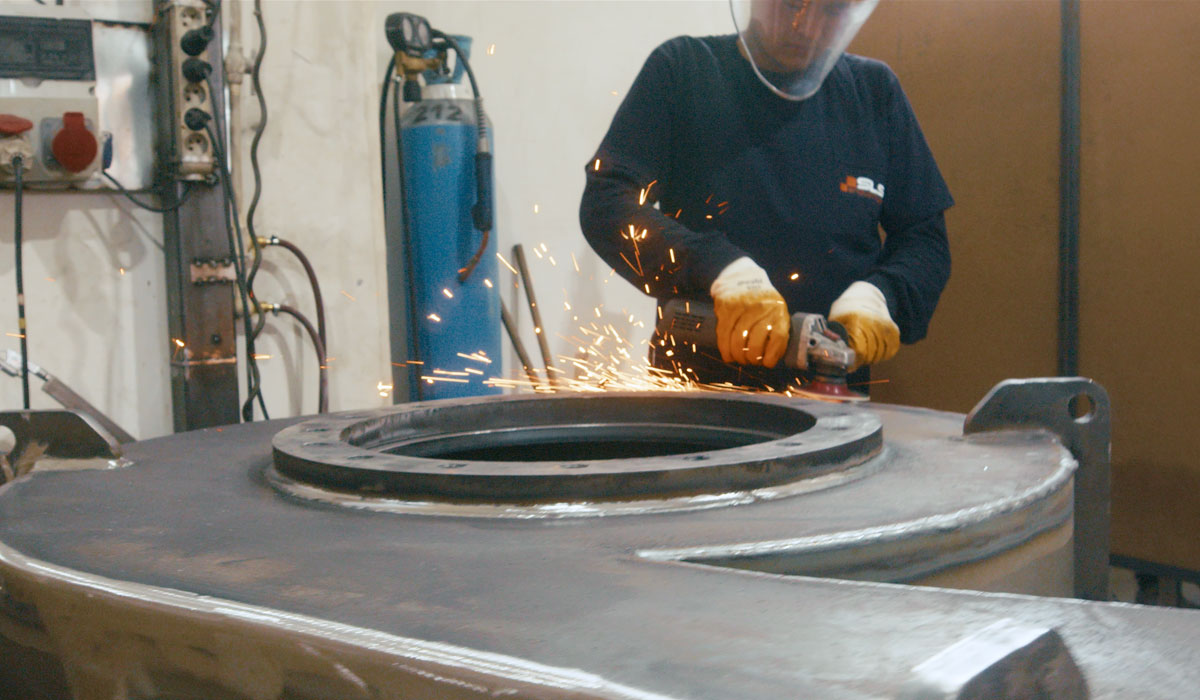
Sanding is a surface treatment method used to smooth surfaces of metal, wood, plastic, and similar materials, remove roughness, and achieve the desired surface quality. This process is carried out by the controlled friction of abrasive materials on the surface. Sanding is generally applied after manufacturing processes such as cutting, drilling, or bending, and contributes to the final finishing of the part.
Purpose of the Sanding Process
The primary purpose of sanding is to eliminate burrs, scratches, and irregularities on the surface of the workpiece. In addition, sanding is also applied for surface preparation prior to subsequent processes such as painting, coating, or welding. Controlling surface roughness directly affects both the aesthetic appearance and functional properties of the product. Therefore, sanding holds an important place in quality-focused production processes.
Types of Sanding and Methods of Use
Sanding operations can be performed with various equipment such as hand sanders, belt sanders, disc sanders, and surface grinding machines. The type of sanding used is determined according to the material type, surface area, and desired roughness level. Fine-grit sanders are preferred for achieving smoother surfaces, while coarse-grit sanders are used for rapid material removal operations. In industrial production, automatic and semi-automatic sanding machines are widely preferred.
Industrial Application Areas of Sanding
Sanding is widely used in many sectors such as metalworking, furniture, automotive, white goods, and machine manufacturing. Cleaning weld seams on metal parts, removing roughness on wooden surfaces, and ensuring surface smoothness on plastic products are among the primary application areas of sanding. In mass production facilities, sanding has become an integral part of the production line.
Contribution of Sanding to Production Quality
Sanding is considered one of the most critical stages of the production process, directly affecting the final quality of the product. By selecting the correct sanding type and applying it with the appropriate technique, scratches, burrs, waviness, and microscopic defects that may occur on the surface are largely eliminated. This improves the visual quality of the part and also extends the service life of the product by preventing premature wear that may occur during use. Sanding also controls surface roughness, enabling subsequent production stages such as painting, coating, and bonding to be carried out more effectively.
Contact Information
- Istanbul AYOSB, Aydınlı, 3. Sk. no:3, 34956, 34935 Tuzla/Istanbul
- +90(216) 415 76 40
- export@slsendustriyel.com