Assembly
Whats Assembly?
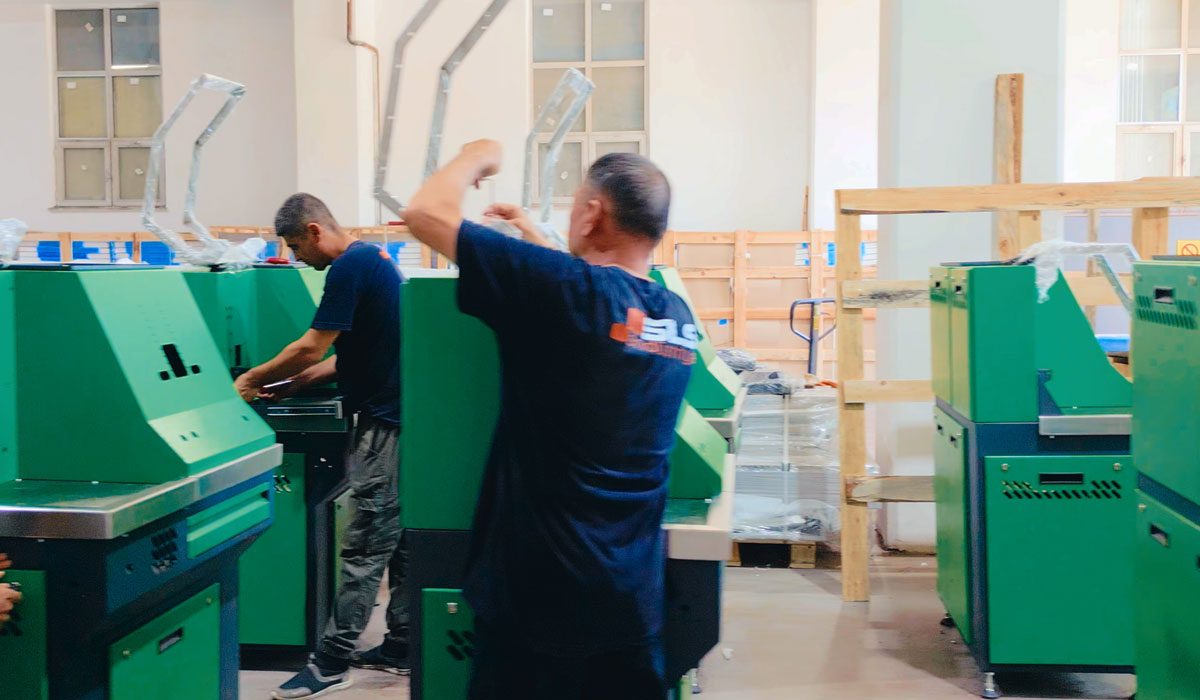
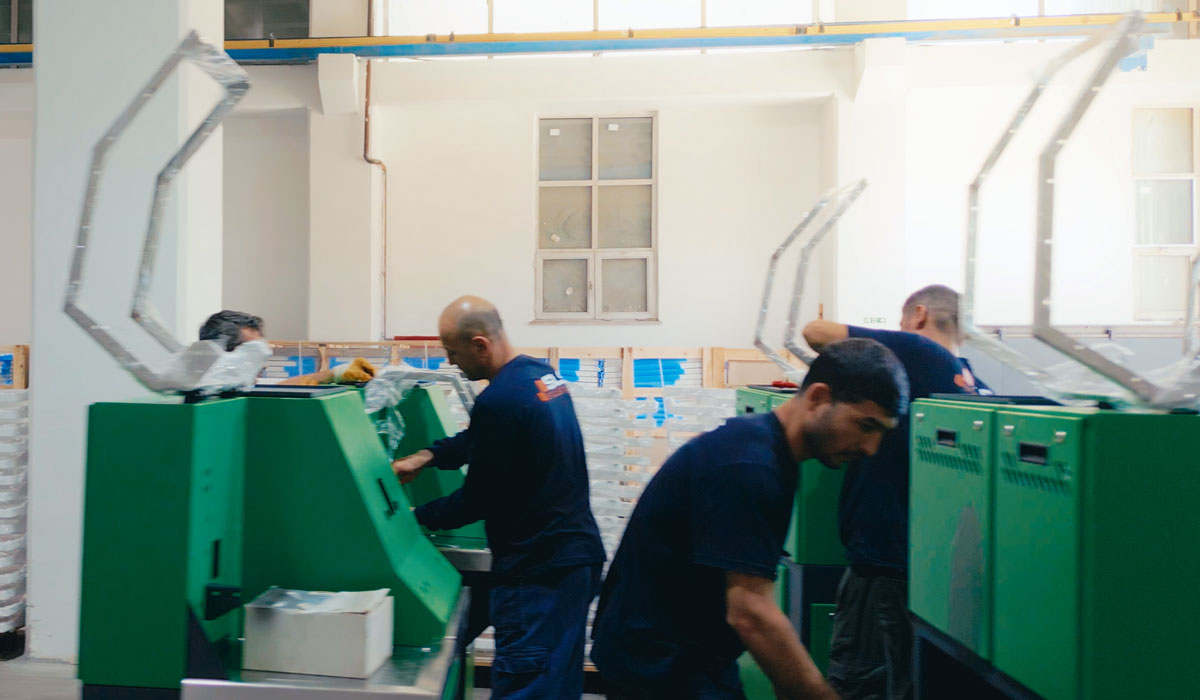
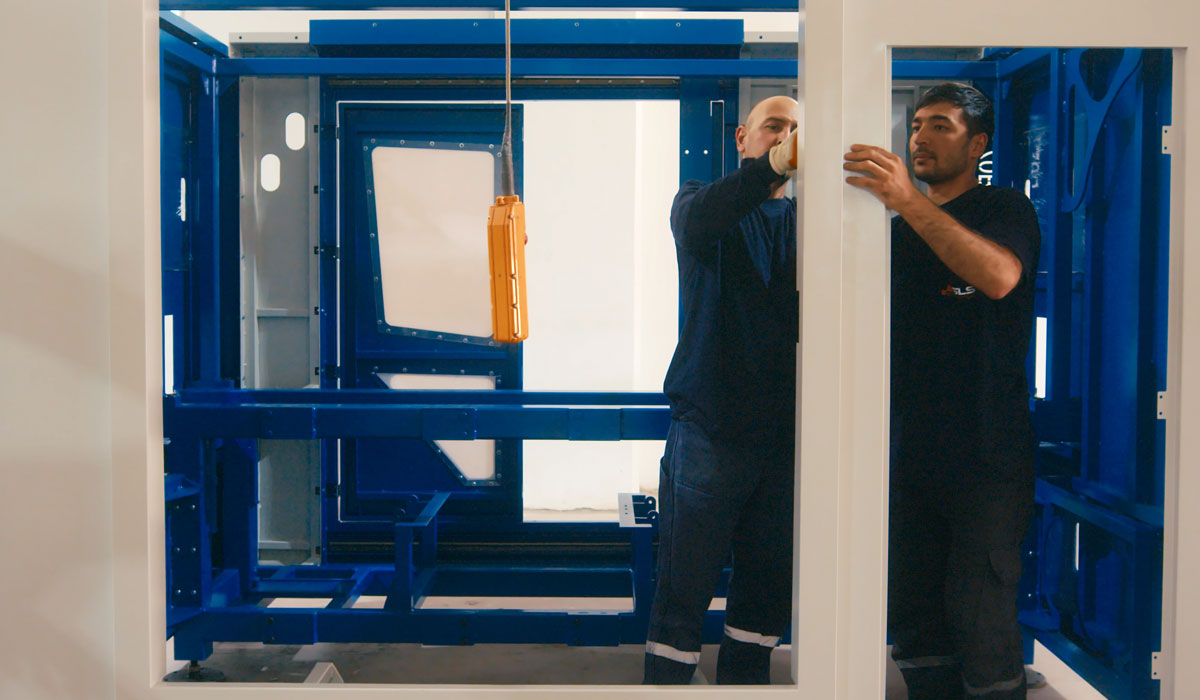
Assembly is the process of bringing together completed parts and components in accordance with a specific plan and technical drawing to transform them into a functional or usable product. This process is one of the most critical stages of the production chain and directly affects the functionality and reliability of the product. Assembly operations can be performed manually as well as using semi-automatic and fully automatic systems.
Main Stages of the Assembly Process
The assembly process begins with the preparation and inspection of parts. Each part coming from production is checked in terms of dimensions, surface and function to make it ready for assembly. The parts are then joined in the determined assembly sequence. At this stage, the use of correct fasteners and compliance with technical criteria such as torque and alignment are of great importance. Final checks at the end of the process confirm the operability of the product.
Types of Assembly
Assembly operations are applied in different types depending on the product structure and production volume. Manual assembly is generally preferred for low-volume and special production, while semi-automatic and automatic assembly systems are used in mass production. In addition to mechanical assembly, electrical and electronic assembly operations also hold an important place in many industries. The assembly method selected directly affects production speed and quality level.
Importance of Assembly in the Production Process
Assembly is the stage at which the results of all previous operations in production come together. No matter how well cutting, bending, machining and surface treatments have been performed, errors made at the assembly stage can negatively affect the performance of the product. For this reason, the assembly process requires attention, technical knowledge and discipline. A correctly planned assembly process shortens production time and reduces costs.
Occupational Safety and Ergonomics in Assembly
Occupational safety in the assembly process is of great importance both for protecting employee health and for ensuring continuity of production. Hand tools, electrical equipment and fasteners used during assembly can create serious risks if appropriate safety measures are not taken. For this reason, employees must use personal protective equipment, work areas must be kept tidy and clean, and equipment must undergo periodic maintenance.
Ergonomic working conditions directly affect assembly speed and quality level. The physical strain on operators is reduced thanks to workbenches at appropriate heights and adjustable fixtures and supports. This prevents both occupational accidents and occupational diseases that may arise in the long term. Assembly areas designed in accordance with ergonomics increase efficiency while also making a positive contribution to employee motivation.
Quality Control and Testing in the Assembly Process
Quality control at the assembly stage plays a critical role in verifying that the product operates correctly and safely. Visual checks carried out after assembly is completed reveal whether the fasteners have been correctly placed and whether any damage has occurred during assembly. In addition, dimensional checks and function tests are used to evaluate whether the product meets the technical requirements.
Contact Information
- İstanbul AYOSB, Aydınlı, 3. Sk. no:3, 34956, 34935 Tuzla/İstanbul
- +90(216) 415 76 40
- export@slsendustriyel.com