Painting

What is Wet Paint?
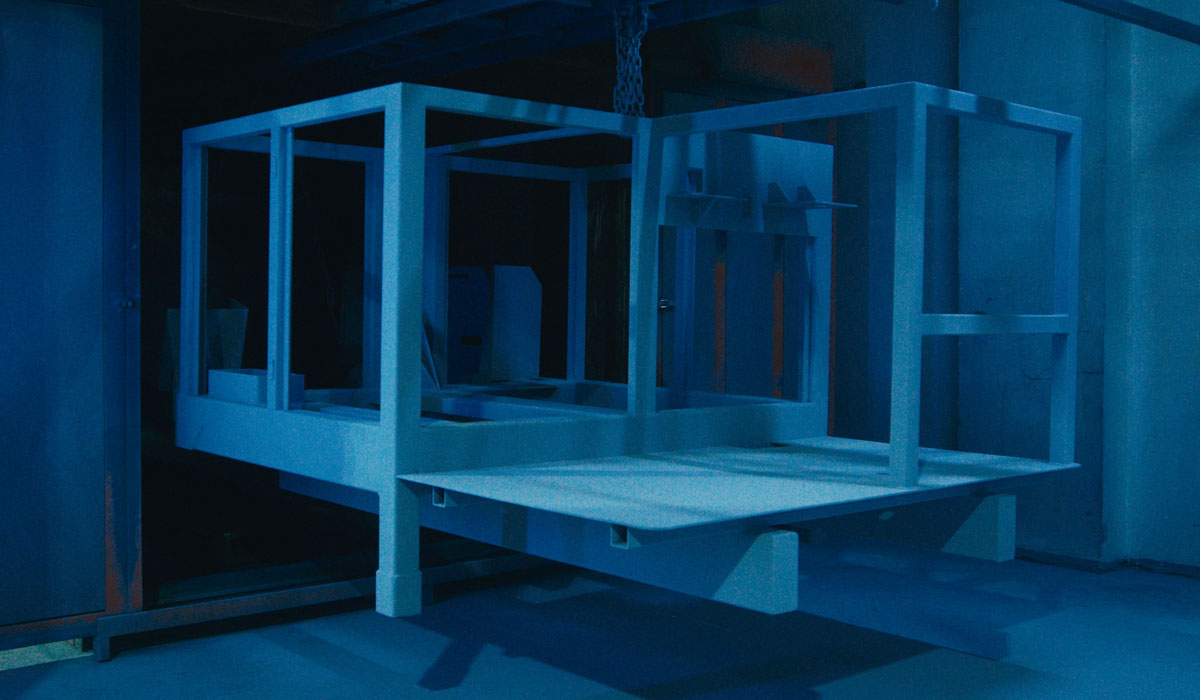
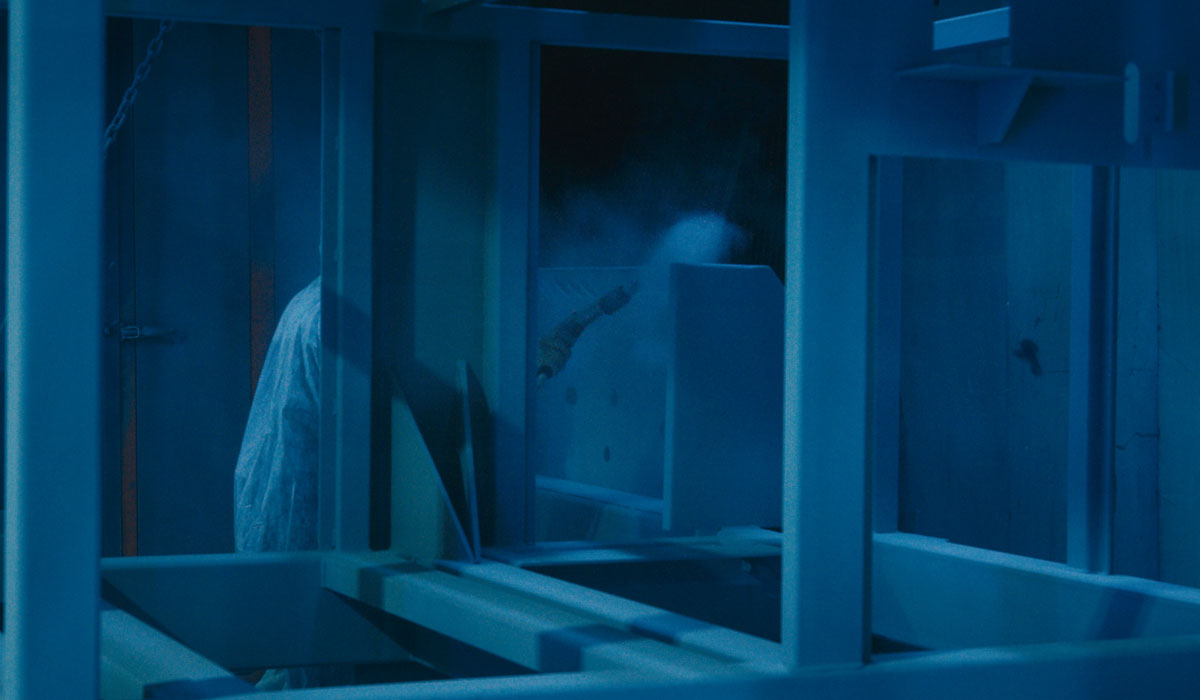
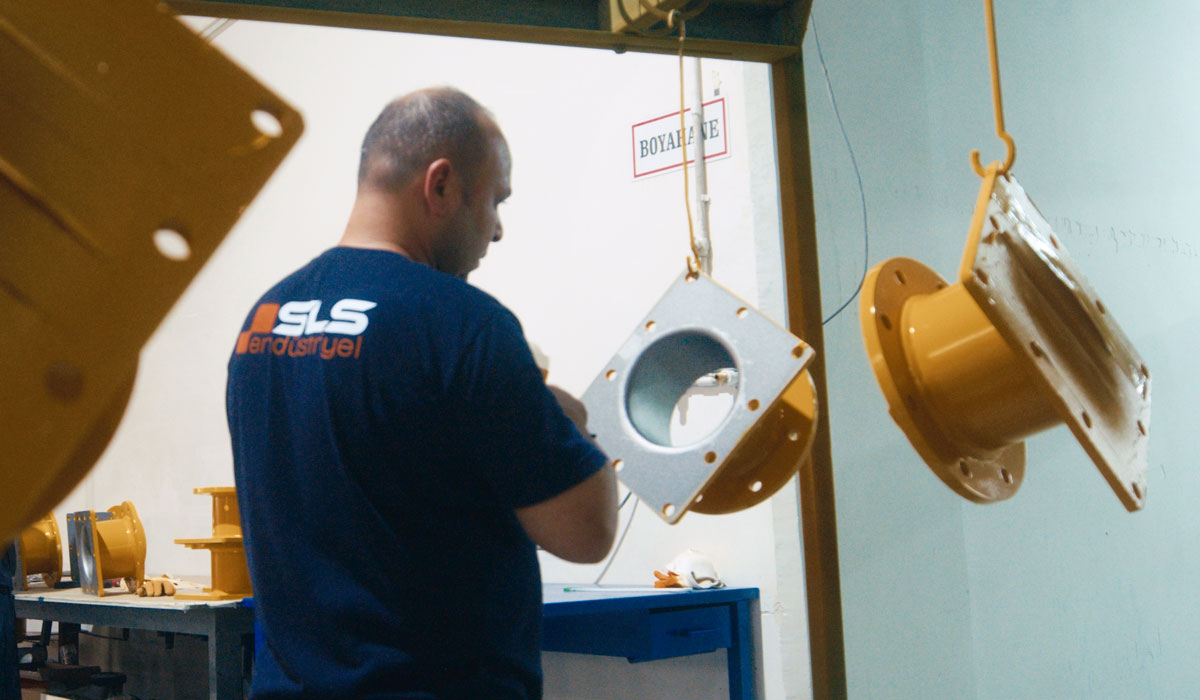
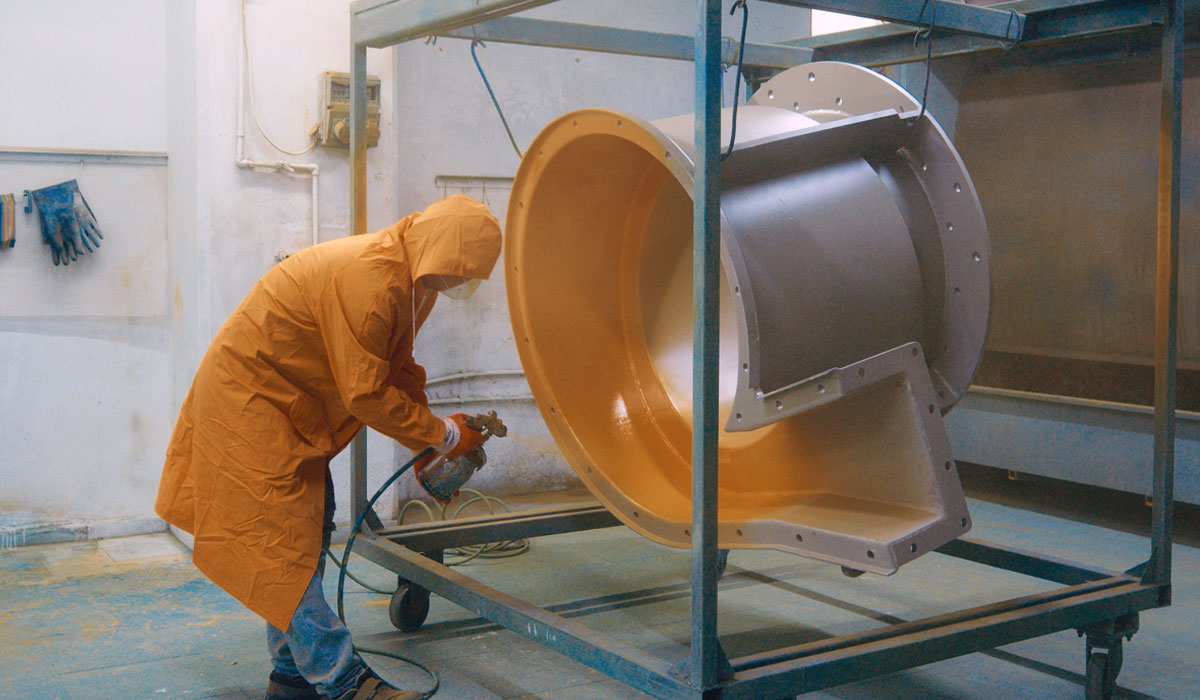
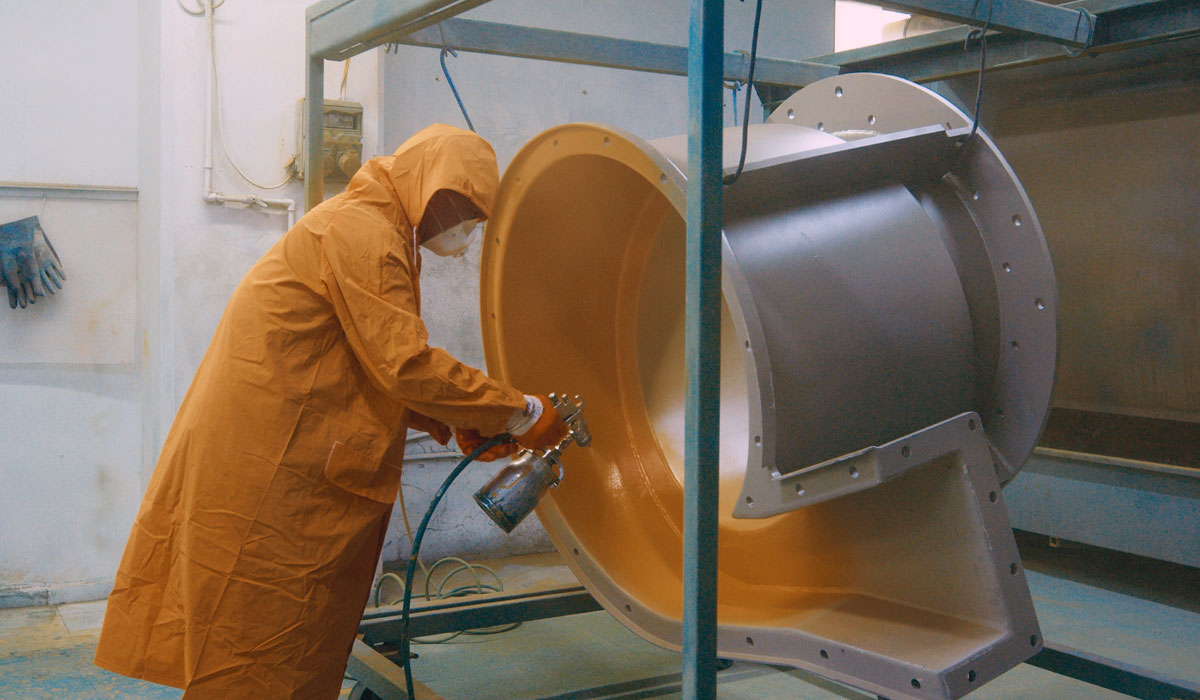
Wet paint is a surface coating method used to protect metal and non-metal surfaces and give them an aesthetic appearance using liquid paint. The paint is applied to the surface in liquid form with the help of spraying or application equipment and adheres to the surface after drying for a certain period of time. In industrial production, wet paint is widely used for both decorative and protective purposes.
Wet Paint Application Process
Wet paint application begins with surface preparation. Foreign substances such as oil, dirt, rust and dust on the parts to be painted are cleaned to obtain a suitable surface for painting. Where necessary, a primer coat is applied to improve paint adhesion. The main paint coat is then applied and the paint is hardened by natural drying or baking. During the application process, ambient temperature, humidity and paint thickness are among the factors that directly affect quality.
Applications of Wet Paint
The wet paint method is used in many sectors such as machine manufacturing, metal construction, automotive supply industry, white goods, defence industry and industrial equipment production. By offering different colour and coating options, it meets both functional and visual expectations. Wet paint provides an important advantage in terms of ease of application when painting large and complex geometry parts.
Importance of Wet Paint in the Production Process
Wet paint increases the product's resistance to external factors and provides protection against rust, corrosion and wear. At the same time, it contributes to the product gaining colour and surface quality in line with the brand identity. Correctly applied wet paint extends the product's service life while also reducing maintenance and repair needs. In this respect, wet paint is one of the complementary and critical stages of the production process.
Contribution of Wet Paint to Product Quality
Wet paint application directly affects both the aesthetic and functional quality of the product. Homogeneous paint distribution, a smooth surface appearance and adequate paint thickness ensure the product is perceived as high quality. In addition, the protection against environmental conditions preserves product performance in the long term. For this reason, wet paint is considered not just a visual process, but a strategic surface coating method that enhances product quality and customer satisfaction.
Importance of Surface Preparation in Wet Paint Application
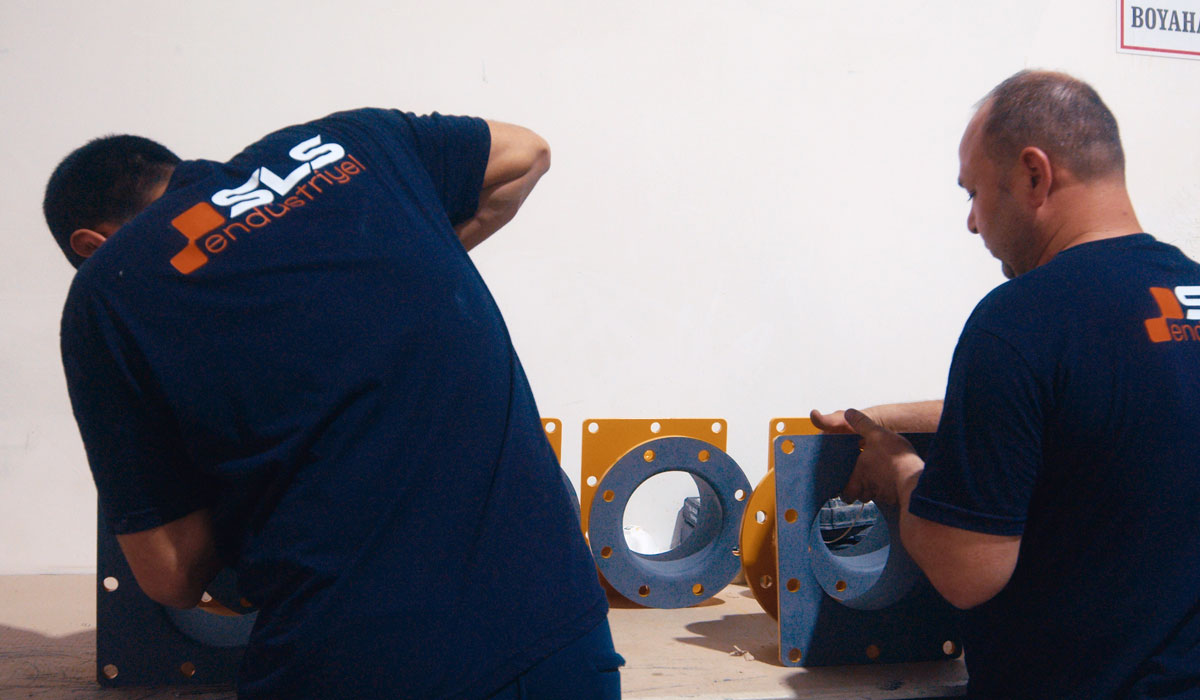
The quality of the result to be achieved in wet paint application depends largely on the correct and complete preparation of the surface. Foreign substances such as oil, rust, dirt and dust on the surface to be painted prevent the paint from adhering properly to the surface. For this reason, the surfaces must be cleaned before painting, sanded if necessary and subjected to appropriate chemical treatments. Correct surface preparation ensures homogeneous distribution of the paint layer and contributes to achieving a long-lasting coating.
The processes applied during surface preparation prevent the paint from causing problems such as bubbling, peeling or cracking. At the same time, the bonding strength between the paint and the surface is increased with primer application. The care shown at this stage directly affects the success of the painting process and strengthens both the aesthetic and protective properties of the product.
Contact Information
- İstanbul AYOSB, Aydınlı, 3. Sk. no:3, 34956, 34935 Tuzla/İstanbul
- +90(216) 415 76 40
- export@slsendustriyel.com
What is a Conveyor Oven?
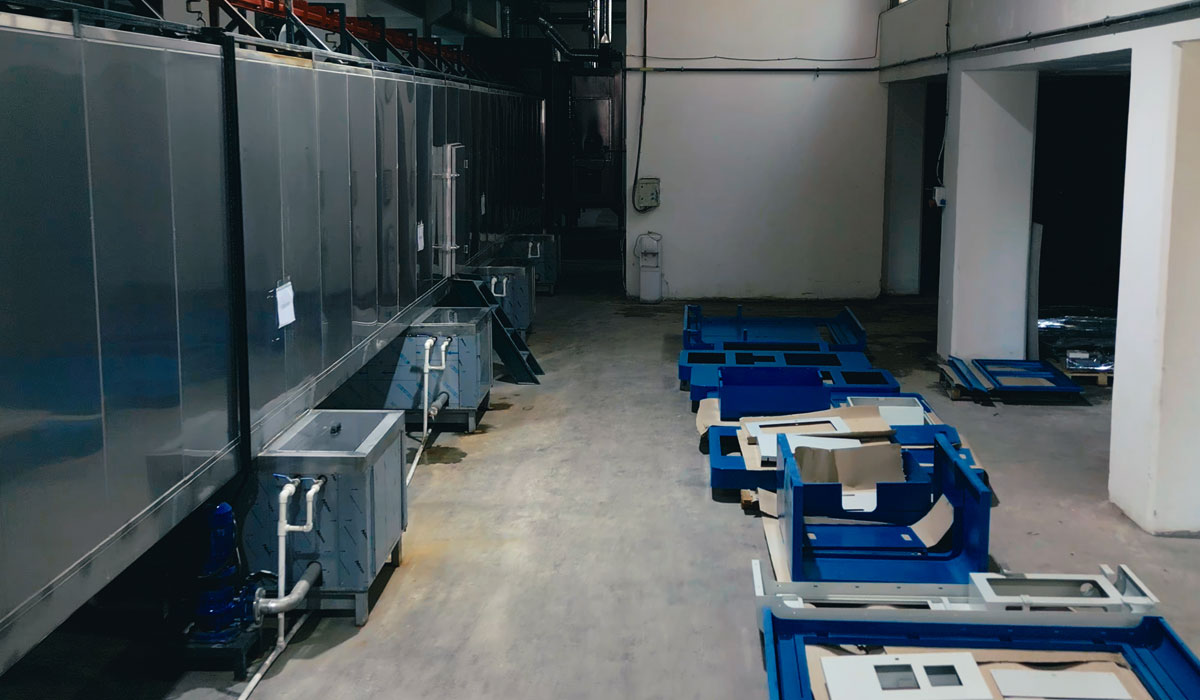
A conveyor oven is an industrial oven system used to heat, dry or cure products moving along a production line at a specific temperature on a continuous basis. Products are taken into the oven with the help of a conveyor belt or chain mechanism and are automatically discharged after the process is completed. This structure ensures that the production flow continues uninterruptedly in mass production facilities.
Working Principle of the Conveyor Oven
In conveyor ovens, products advance on a transport system moving at a pre-set speed. There are different temperature zones inside the oven and the products are subjected to controlled and homogeneous heat treatment as they pass through these zones. Temperature, conveyor speed and process time are adjusted by automatic control systems. This ensures that all products are processed under the same conditions.
Types of Conveyor Ovens
Conveyor ovens are designed in different types according to the heating method and intended use. Electric, gas and infrared-heated conveyor ovens are widely used in industry. There are also conveyor oven systems for specific applications such as wet paint drying, paint curing and pre-heating. The type of oven to be selected is determined based on product characteristics and production capacity.
Applications of Conveyor Ovens
Conveyor ovens are used in many sectors such as wet paint and powder coating lines, metal surface coating facilities, automotive supply industry, white goods production and machine manufacturing. They are particularly preferred for drying and hardening processes after painting. Conveyor ovens provide an important advantage on lines requiring continuous production.
Importance of Conveyor Ovens in the Production Process
Conveyor ovens play a critical role in production processes in terms of time management and quality continuity. They offer a more controlled and repeatable process compared to static oven systems. This contributes to a reduction in production errors, the elimination of quality differences between products and an increase in production capacity.
Energy Efficiency and Heat Control in Conveyor Ovens
Energy efficiency in conveyor oven systems is of great importance in terms of reducing operating costs and sustainable production. Correct insulation inside the oven minimises heat losses and reduces energy consumption. At the same time, thanks to regional temperature control, only the required areas are heated, preventing unnecessary energy expenditure.
Heat control systems ensure that the temperature inside the oven remains constant and homogeneous. Temperature is continuously monitored through sensors and automation systems, and necessary adjustments are made automatically. This prevents products from overheating or underheating, contributing to the preservation of production quality.
Contribution of Conveyor Ovens to Product Quality
The use of conveyor ovens ensures that the surface and mechanical properties of products are achieved at the desired level. Particularly in paint applications, correct temperature and time control ensures the paint dries homogeneously and adheres strongly to the surface. This increases the durability, aesthetic appearance and service life of the product. In this respect, conveyor ovens are considered an important industrial equipment that directly affects production quality.
Maintenance and Operational Safety of Conveyor Ovens
Regular maintenance and inspection operations are of great importance for conveyor ovens to operate safely and for a long time. Conveyor belts, chain mechanisms and motor systems must be checked periodically, and worn or damaged parts must be replaced in a timely manner. These maintenance operations prevent stoppages and breakdowns that may occur during production.
In terms of operational safety, oven systems must have emergency stop mechanisms, temperature limiters and safety sensors. Informing employees about oven use and taking the necessary safety precautions reduces occupational accidents. A safely and regularly operated conveyor oven system stands out as an important factor supporting continuity and quality in production.
Temperature Zones and Zoning in Conveyor Ovens
Temperature zones in conveyor ovens ensure that the product undergoes controlled and balanced heat treatment inside the oven. This structure, which generally consists of different zones including pre-heating, main heating and cooling, prevents the product from being affected by sudden temperature changes. Thanks to zoning, the paint, coating or material surface is heated gradually and the desired curing or drying is achieved.
Since the temperature of each zone can be controlled separately, process settings suitable for different product types can be made. This increases the flexible production capability of conveyor ovens and enables them to adapt to different production needs.
Importance of Speed and Time Settings in Conveyor Ovens
Conveyor speed is one of the most critical parameters that determines how long the product will remain inside the oven. Products that pass through too quickly may not receive sufficient heat, while products that advance too slowly may face the risk of overheating. For this reason, speed and time settings must be carefully determined according to the product properties and type of application.
Correct time adjustments ensure that the paint reaches the ideal hardness, especially in wet paint applications. It is also of great importance in terms of preserving colour tone and preventing surface defects.
Integration of Conveyor Ovens with Automation Systems
Modern conveyor oven systems operate in an integrated manner with automation and control systems. Temperature, speed and zone settings can be easily managed thanks to PLC and touch control panels. These systems increase production reliability by reducing operator errors.
Thanks to automation integration, production data can be recorded and process tracking can be performed. This makes significant contributions to quality control, retrospective analysis and continuous improvement efforts.
Compatibility of Conveyor Ovens with the Production Line
Conveyor ovens are generally designed to work in an integrated manner with painting, coating or assembly lines. Ovens selected at the appropriate size, capacity and speed for the production line ensure that the production flow continues uninterruptedly. A conveyor oven that is compatible with the overall pace of the line prevents bottlenecks from forming.
Thanks to this compatibility, products are transferred to the next process without waiting time. This prevents both time loss and enables production planning to be carried out more efficiently.
Impact of Conveyor Ovens on Long-Term Production Performance
A correctly designed and regularly maintained conveyor oven system significantly increases production performance in the long term. Thanks to stable operating conditions, product quality is constantly maintained at the same level and production fluctuations are minimised.
In addition, energy efficiency, low failure rate and high production capacity provide significant cost advantages for businesses. In this respect, conveyor ovens are considered not just a drying or heating equipment, but a strategic production system serving the business's efficiency, quality and sustainability goals.
Product Placement and Hanging Systems in Conveyor Ovens
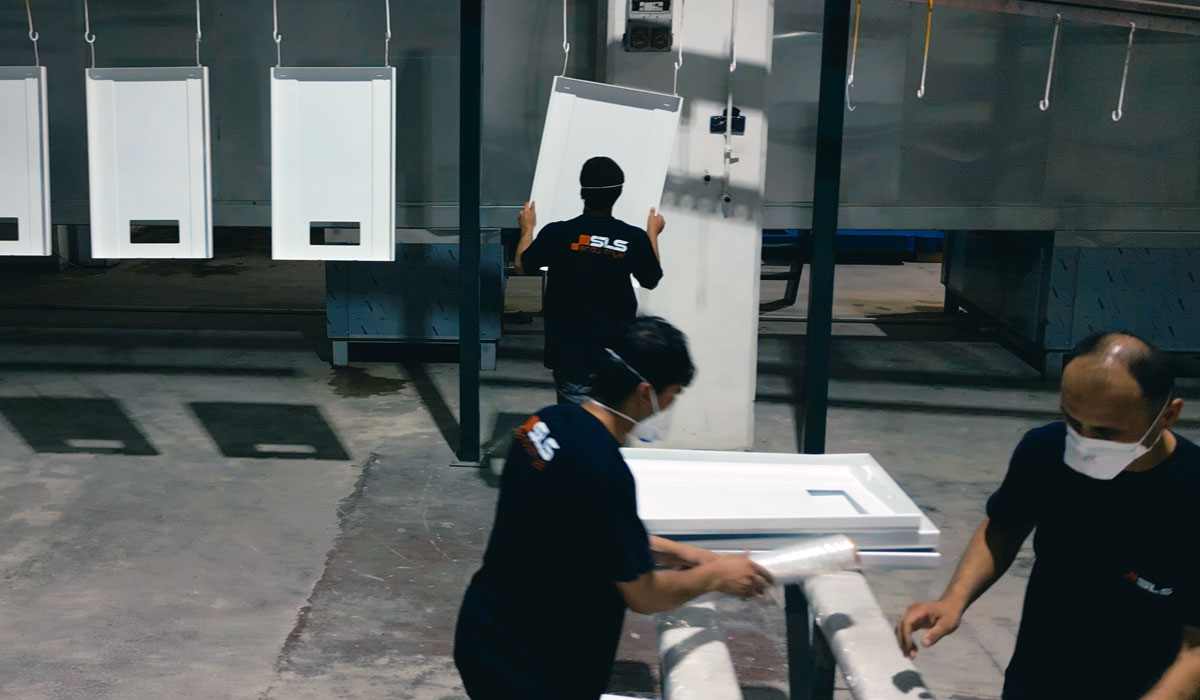
Correct placement of products inside conveyor ovens is of great importance for the homogeneity of heat treatment. Products are generally taken onto the conveyor line with the help of hanging systems or special carrier fixtures. These systems prevent products from coming into contact with each other inside the oven while ensuring that hot air reaches all surfaces equally. Incorrect placement can cause a shadowing effect, resulting in some areas not being heated sufficiently.
Selecting hanging systems appropriate to the weight and geometry of the product is a critical factor in terms of both production safety and surface quality. Balanced and sturdy hanging reduces vibrations and ensures products advance stably inside the oven.
Cooling and Exit Zone in Conveyor Ovens
The cooling zone in conveyor oven systems ensures that products are brought to ambient temperature in a controlled manner. Hot products leaving the oven suddenly can cause surface stresses and paint defects. For this reason, the cooling zone allows products to experience a gradual temperature decrease.
The cooling process is carried out by natural air circulation or fan-assisted systems. Controlled cooling ensures that products are ready for the next processing stage and contributes to the preservation of surface quality.
Environmental and Occupational Health Impact of Conveyor Ovens
When correctly designed, conveyor ovens are systems that minimise environmental impacts. Thanks to thermal insulation, chimney filtering and exhaust systems, energy losses and harmful emissions are kept under control. This facilitates compliance with environmental regulations and supports sustainable production goals.
At the same time, the enclosed and controlled structure of conveyor ovens prevents employees from being directly exposed to high temperatures. Occupational health and safety standards are maintained thanks to safety sensors, emergency stop systems and automation controls. In this respect, conveyor ovens contribute to both an environmentally and human-oriented production approach.