Laser Cutting
What is Pipe Laser Cutting?
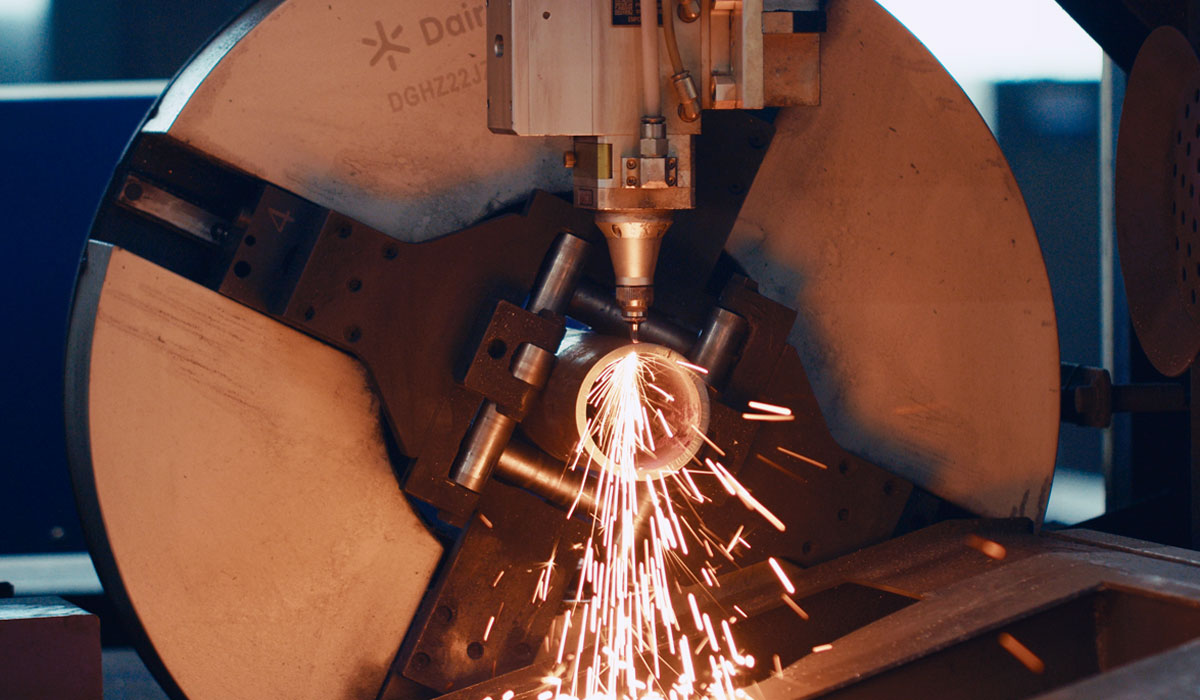
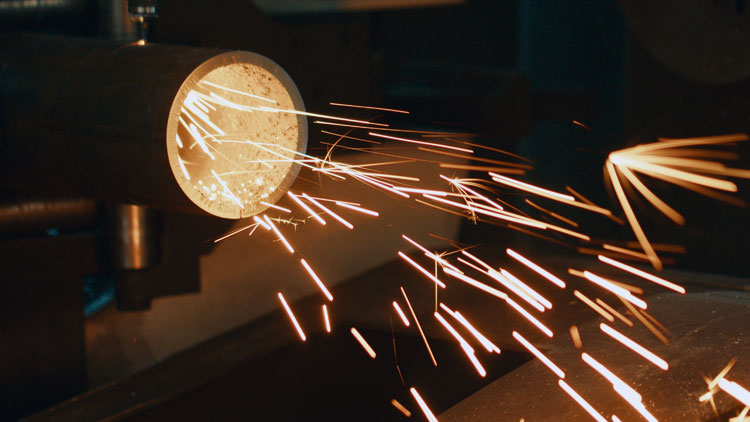
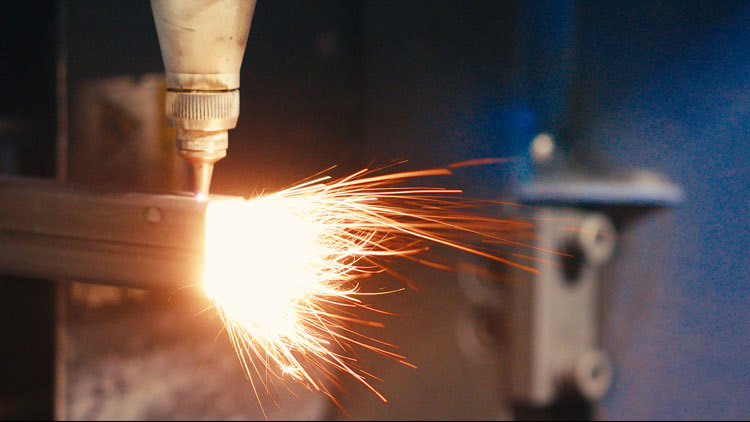
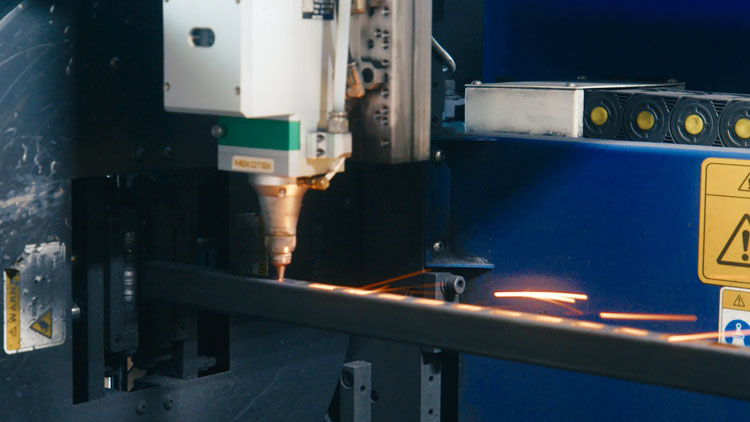
Pipe laser cutting is an advanced manufacturing method that enables precise and contactless cutting of metal materials in the form of pipes and profiles using a high-energy laser beam. With this method, complex cuts on circular, square, rectangular and special cross-section profiles can be performed with high accuracy. Pipe laser cutting offers significant advantages in terms of speed and quality, especially in modern production processes.
Working Principle of Pipe Laser Cutting
In the pipe laser cutting process, the pipe or profile material is placed inside the machine and secured with special clamping systems. Thanks to the CNC-controlled system, the material is rotated around its own axis, allowing the laser head to follow the determined cutting path. The laser beam focuses on the point to be cut, melting or vaporising the material. The molten metal is removed from the area by means of auxiliary gases, resulting in clean and smooth cross-sections.
Types of Pipe Laser Cutting
Pipe laser cutting systems are manufactured in different types according to the laser technology used. Today, the most widely used systems are fibre laser pipe cutting machines. Fibre laser technology stands out in the industry due to its high cutting speed, low energy consumption and ease of maintenance. There are also multi-axis pipe laser machines that can accommodate pipes of different diameters and lengths.
Applications of Pipe Laser Cutting
Pipe laser cutting is used in many sectors such as metal construction, automotive supply industry, furniture and decoration, sports equipment, machine manufacturing and industrial facility equipment. Precise cuts in structures requiring welded joints in particular facilitate the assembly process and shorten production time. Pipe laser cutting enables the realisation of aesthetic and functional designs.
Importance of Pipe Laser Cutting in the Production Process
The pipe laser cutting method eliminates the need for moulds and special fixtures to a great extent, providing production flexibility. Quick changeover to different products is possible with a programme change. This offers a cost advantage in small and medium-scale production while also saving time in mass production. It also creates a safer and more controlled production process compared to manual cutting methods.
Cross-Section Precision and Tolerances in Pipe Laser Cutting
Pipe laser cutting technology stands out with its high cross-section precision and narrow tolerance ranges. Thanks to the CNC-controlled system, cutting points are determined with millimetric accuracy and repeatable results are obtained. This precision ensures that parts are compatible with each other, especially in assembled systems, and reduces the need for additional correction operations. The smooth cross-section surface also directly and positively affects the quality of welding and joining processes.
Hole and Channel Drilling Operations in Pipe Laser Cutting
Pipe laser cutting is used not only for straight cuts, but also for creating holes, channels and special geometries. Drilling holes in the pipe surface at different angles and positions can be performed with high accuracy thanks to laser technology. This feature provides a great advantage especially in designs using connectors and snap-fit systems. Performing hole and channel operations in a single step significantly reduces production time.
Contact Information
- İstanbul AYOSB, Aydınlı, 3. Sk. no:3, 34956, 34935 Tuzla/İstanbul
- +90(216) 415 76 40
- export@slsendustriyel.com
What is Sheet Metal Laser Cutting?
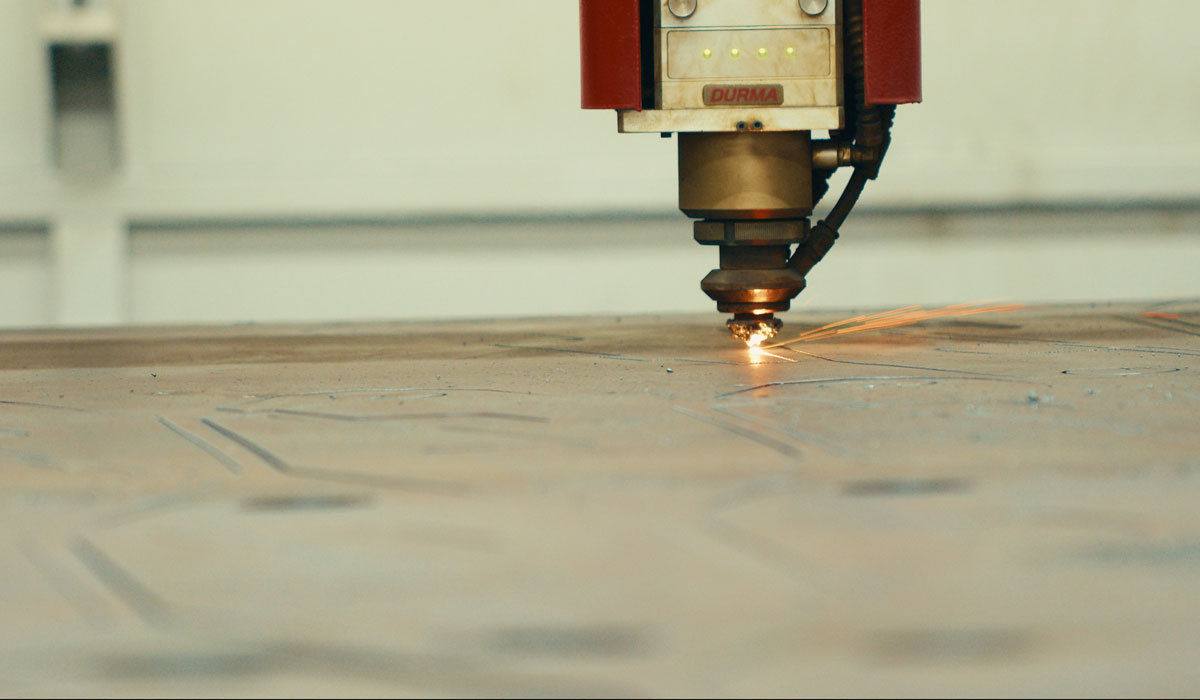
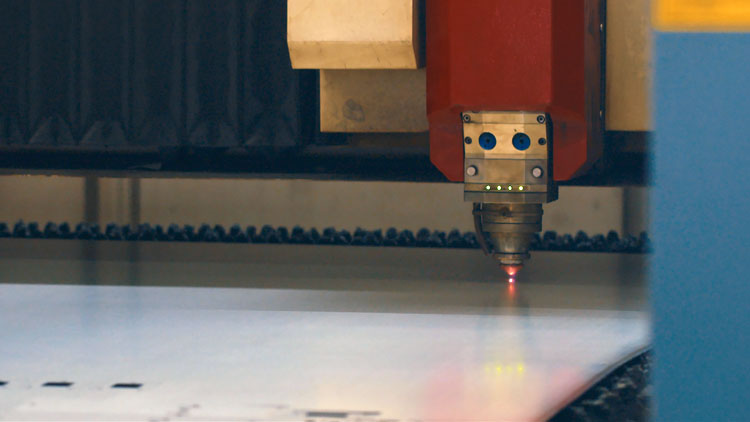
Sheet metal laser cutting is a modern manufacturing method that enables precise and contactless cutting of metal sheets using a high-energy laser beam. In this method, the laser beam focuses on a very small point, melting or vaporising the material to reveal the desired geometry. Thanks to its high precision, complex shapes and fine details can be easily produced.
Working Principle of Sheet Metal Laser Cutting
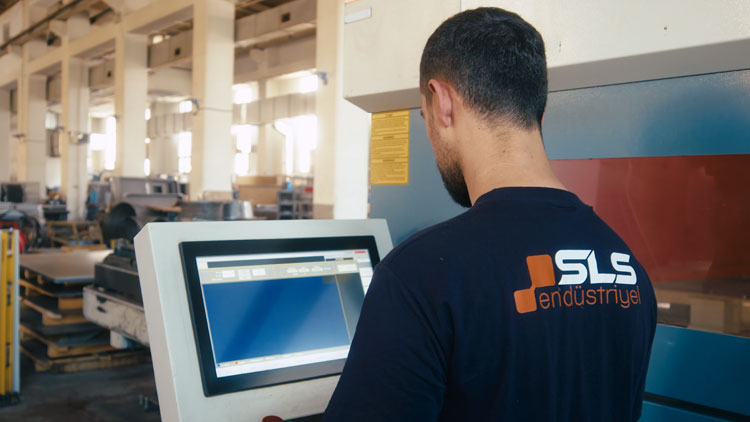
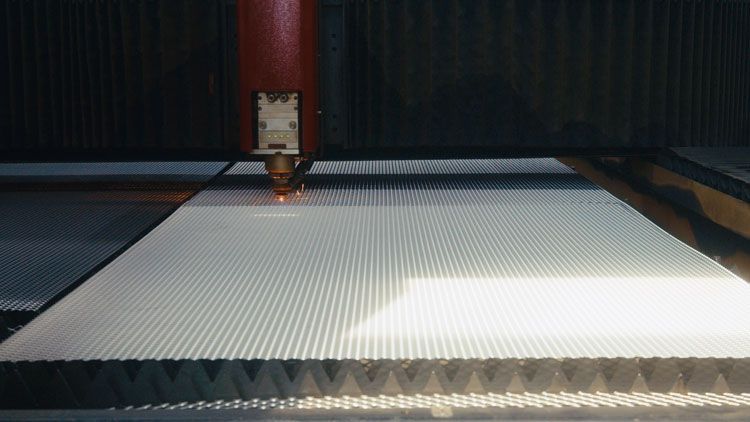
In the laser cutting process, the movements of the laser head are controlled by a computer-aided (CNC) system. The sheet metal to be cut is placed on the machine table and the pre-prepared cutting programme is activated. The laser beam advances along the determined path and cuts the sheet. During cutting, auxiliary gases are used to remove the molten metal from the surface, improving cutting quality.
Types of Sheet Metal Laser Cutting
Sheet metal laser cutting operations are divided into different types according to the laser source used. CO₂ laser cutting, Nd:YAG laser cutting and fibre laser cutting are the most commonly used systems. Today, fibre laser cutting machines in particular are widely preferred in the industry due to their high speed, low energy consumption and ease of maintenance. The type of laser to be selected is determined by the sheet thickness and material type.
Applications of Sheet Metal Laser Cutting
Sheet metal laser cutting is widely used in many sectors such as machine manufacturing, automotive supply industry, metal construction, defence industry, white goods and industrial equipment production. In parts requiring precise measurements and in mass production applications, laser cutting offers a speed and quality advantage. It is also frequently preferred in the production of decorative metal products.
Importance of Sheet Metal Laser Cutting in the Production Process
The laser cutting method provides flexibility and time savings in the production process. Eliminating the need for moulds allows for quick changeover to production and reduces costs. At the same time, the minimal burr formation after cutting reduces the need for additional processing. These features have made laser cutting an indispensable part of modern production lines.
Contribution of Sheet Metal Laser Cutting to Product Quality
Sheet metal laser cutting increases the dimensional accuracy of products thanks to its high cutting precision and smooth surface quality. The narrow heat-affected zone minimises material deformation. This positively affects the assembly compatibility of parts and the overall product quality. As a result, laser cutting is an advanced manufacturing technology that enables both aesthetically and functionally high-quality production.

Policies